Your Payment Disappears After You Thought It Cleared
The payment appeared in the account, the balance dropped, and the pressure seemed to ease. Then the amount was added back, sometimes days later, leaving the cardholder unsure whether the bill is now unpaid or whether the bank has simply corrected a temporary entry.
A reversed card payment does not always mean the same thing. It may reflect a failed bank transfer, a returned electronic payment, or a transaction that was only pending before it vanished. Until the account shows the final payment status, the balance, available credit, fees, and interest may not tell a complete story. Acting too quickly can create another withdrawal before the first issue is fully understood.
First, Confirm What the Reversal Actually Means
The account’s transaction history usually provides the first useful clue. A payment marked pending may have reduced the displayed balance temporarily without reaching the card issuer’s final settlement process. If it later disappears, the money may never have left the bank account. A payment marked reversed, returned, or failed points to a different situation: the issuer received or posted the payment, then removed it because the transfer did not complete.
That distinction matters before sending anything again. Check whether the amount was actually withdrawn from the linked checking account, whether it was later deposited back, and whether the card account lists a returned-payment notice. The available credit can also be misleading while systems catch up, particularly when the original payment lowered the balance before being removed. A posted reversal generally means the payment should no longer be treated as satisfying the bill, but a pending entry may still change. Timing creates much of the confusion: the card issuer and bank may update at different points, and weekends or holidays can stretch the gap. The safest reading comes from matching the card account’s final status with the bank statement, not from relying on a temporary balance alone.
Common Causes Behind a Returned Card Payment
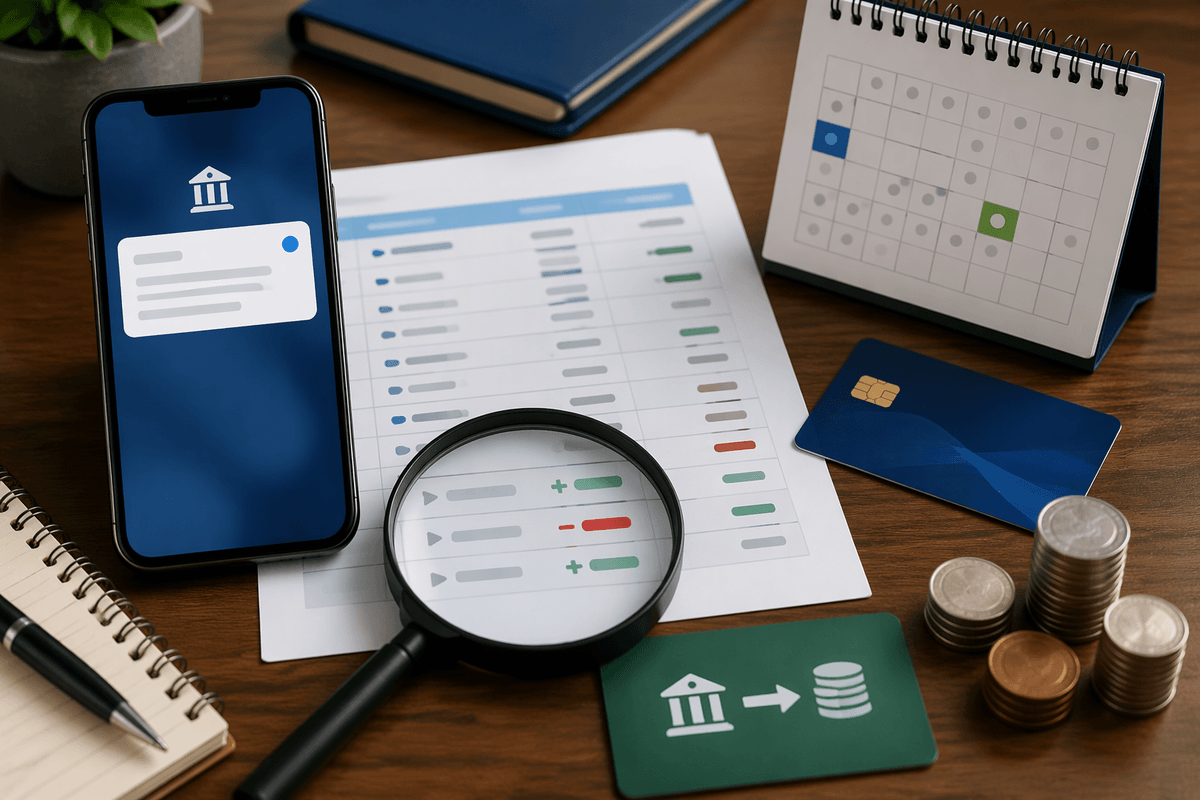
Once the payment is clearly marked returned or failed, the cause often sits on the bank side rather than the card itself. The linked account may not have had enough available funds when the payment was processed, even if the balance looked sufficient when the payment was scheduled. A recent debit, deposit hold, overdraft restriction, or pending transaction can change that calculation. Incorrect account or routing information, a closed account, or a bank security block can also stop an electronic payment after it first appears to post.
Some returns come from timing rather than an obvious mistake. The card issuer may submit the payment before a transfer has fully settled, then receive a rejection several business days later. A checking account change, a canceled payment arrangement, or a bank’s fraud review can create the same delay. Less commonly, the issuer may reverse a payment because it was duplicated, submitted through an unsupported method, or did not match the account details on file.
The useful question is not only why the amount came back, but whether the return is final. Check the card issuer’s message, the bank’s transaction description, and the date the funds were actually withdrawn or restored. Those details help separate a correctable processing delay from an unpaid balance that needs attention before the next due date.
When Should the Money And Balance Update?
That final status may not appear at the same time everywhere. A checking account can show the money leaving before the card issuer applies the payment, while the card balance may remain unchanged until processing finishes. If the payment is returned, the bank may restore the funds before the card account posts the reversal, creating a short period when both records look incomplete.
Business days matter more than the calendar date shown beside the payment. Weekends, holidays, bank cutoffs, and the issuer’s processing schedule can extend the gap by several days. During that time, available credit may still reflect the original payment, then drop again when the reversal posts. That temporary increase is not necessarily money that can safely be spent.
Check three points together: when the payment was withdrawn, when the funds returned or were rejected, and when the card issuer changed the balance. If the reversal is posted before the due date, the account may still show an unpaid amount that requires action. If the due date has passed, confirm whether a late fee or interest charge was added rather than assuming the balance will correct itself. The account’s final posted entries matter more than the first balance change.
A Second Payment Can Solve One Problem Create Another
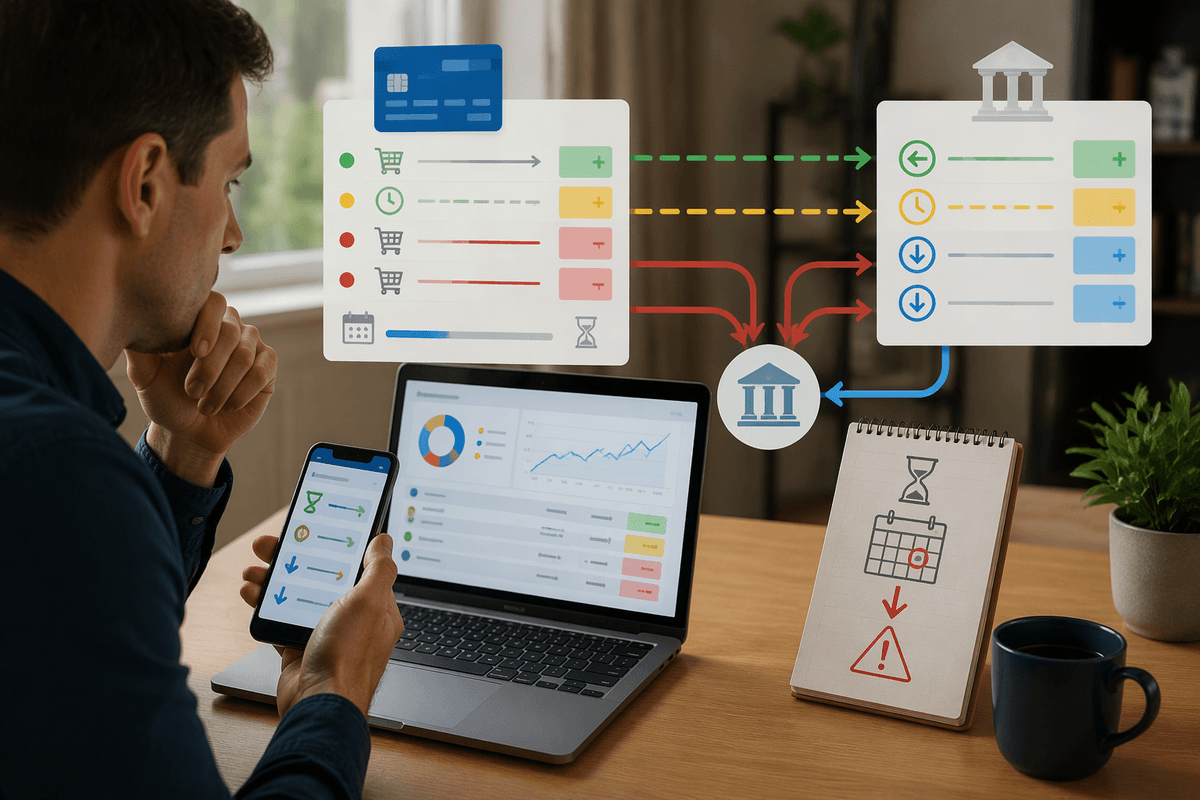
By the time the reversal appears, the due date may be close enough to make another payment seem like the only safe choice. Sending one can restore the account to a paid status, but it can also create a second withdrawal if the original payment is still moving through the banking system. That risk is greater when the card issuer shows the payment as pending rather than fully returned, or when the bank has not yet confirmed whether the funds will be rejected or released.
Before paying again, compare the card account with the linked bank account and note the exact status of the first payment. If the funds are already back in the bank and the issuer lists the payment as returned, a replacement payment may be reasonable, provided enough money will remain available for other scheduled withdrawals. If the first payment was withdrawn but has not been formally rejected, calling the issuer or bank can prevent duplicate processing. The timing matters too: an immediate replacement may protect against a late payment, while waiting for a promised correction may leave the balance unpaid.
A second payment can therefore fix the credit-card balance while tightening cash flow, triggering an overdraft, or producing a later credit when both payments settle. The decision should rest on the final status, the due date, and whether the checking account can absorb two withdrawals.
Check Fees Interest Credit Reporting And Available Funds
Once the replacement decision is made, the account needs a second review beyond the payment amount. A returned payment can lead to a returned-payment fee, late fee, or additional interest if the issuer treats the balance as unpaid after the due date. These charges may appear later than the reversal itself, so the first statement after the event may not show the full effect. Compare the account’s fee entries, interest charges, minimum payment, and next due date rather than assuming a corrected balance will remove every consequence.
Credit reporting usually depends on how long the account remained delinquent and whether the issuer reported it, not simply on the fact that one payment was reversed. A short processing problem may never affect a credit report, but an unpaid amount that continues past the issuer’s reporting threshold can become more serious. Available funds require the same caution. Money restored to checking may be needed for a replacement payment, while available credit can change again when the reversal posts or a duplicate payment settles. Keep enough cash for scheduled withdrawals, and save the bank and card records in case a fee, interest charge, or credit-file entry later needs to be disputed.
The Safest Next Step Depends On Four Details
At this point, the safest response turns on four details: the payment’s final status, whether the money actually left the bank account, how close the due date is, and whether the checking account can absorb another withdrawal. A posted return with funds restored usually calls for a replacement payment, while a pending entry may justify waiting briefly or contacting the issuer first. The available credit should not be treated as proof that the payment succeeded.
Record the dates, confirm any fee or interest charge, and ask the issuer what amount is currently required to keep the account current. That narrows the choice between paying again, waiting for processing, or requesting a correction. The goal is not simply to clear the card balance, but to avoid solving a late-payment risk by creating an overdraft or duplicate payment.