Choosing where to stay in Budapest
I hesitated over Budapest the way I do in any city split by a river: do you pay extra to be “in the middle,” or accept a slightly longer ride for a calmer night and a steadier budget? The first decision that actually matters here isn’t hotel versus apartment yet—it’s how much late-night noise you can tolerate, and how often you want to cross the Danube in a day.
For a 3–6 day first trip, staying fairly central on the Pest side is usually the most predictable choice for transit and food options, but it comes with a clear constraint: the closer you are to the nightlife lanes, the more your sleep depends on window quality. Buda tends to feel quieter and more residential, but you’ll trade that for steeper walks and a bit more planning around sights that cluster on the Pest side.
Once you’ve picked a side and a rough radius, choose the sleep setup: hotels buy you front-desk help, luggage storage, and fewer “surprises,” while apartments buy you space and a kitchen—at the cost of stairs, key pickup logistics, and variable soundproofing. If you want costs to stay predictable, prioritize easy transit access and solid reviews on noise and building entry over a slightly cheaper rate two districts out.
Neighborhood quick-compare: vibe, transit, sights
My own quick filter in Budapest is: how often do I want to default to walking, and how likely is it that I’ll be coming home after midnight? District V (Belváros) is the simplest answer for first-timers—flat, walkable, and close to the Danube—yet you pay for that convenience, and some blocks can feel more “office-core” at night than charming. District VI/VII (Terézváros/Erzsébetváros) buys you cafés, bars, and that constant-activity buzz, but the trade-off is real: if you’re near the party streets, earplugs and heavy curtains become part of your packing list.
District VIII (Józsefváros) is where the value starts to show up without automatically pushing you into long commutes—great if you stay closer to the Grand Boulevard and metro/tram lines, less great if you drift into pockets that feel quiet in a “nothing’s open” way. District IX (Ferencváros) can be a calmer base with newer apartments and a more local pace, but it’s not as plug-and-play for sights, so you’ll lean harder on transit. On the Buda side (District I/II), you get hilltop views and calmer nights, with the built-in constraints of stairs, slopes, and the mental friction of crossing the river when you’re tired.
Budget stays: hostels, simple hotels, aparthotels
The first budget temptation in Budapest is to sort by price and call it a win—until you realize the cheapest beds are often cheap because they’re directly above (or next to) the city’s loudest nights. If you’re looking at hostels in District VI/VII, I’d treat “party” as a literal category, not marketing: great for meeting people and walking home, bad if you have an early bath reservation or simply want predictable sleep.
Simple hotels (think small rooms, limited amenities) can be the most stable value when you want a real front desk and fewer logistics. You’ll likely get a compact room and thin walls, so I prioritize properties on quieter side streets near metro or the Grand Boulevard rather than right on the main bar lanes. If a listing is vague about air conditioning in summer, assume you’ll feel it.
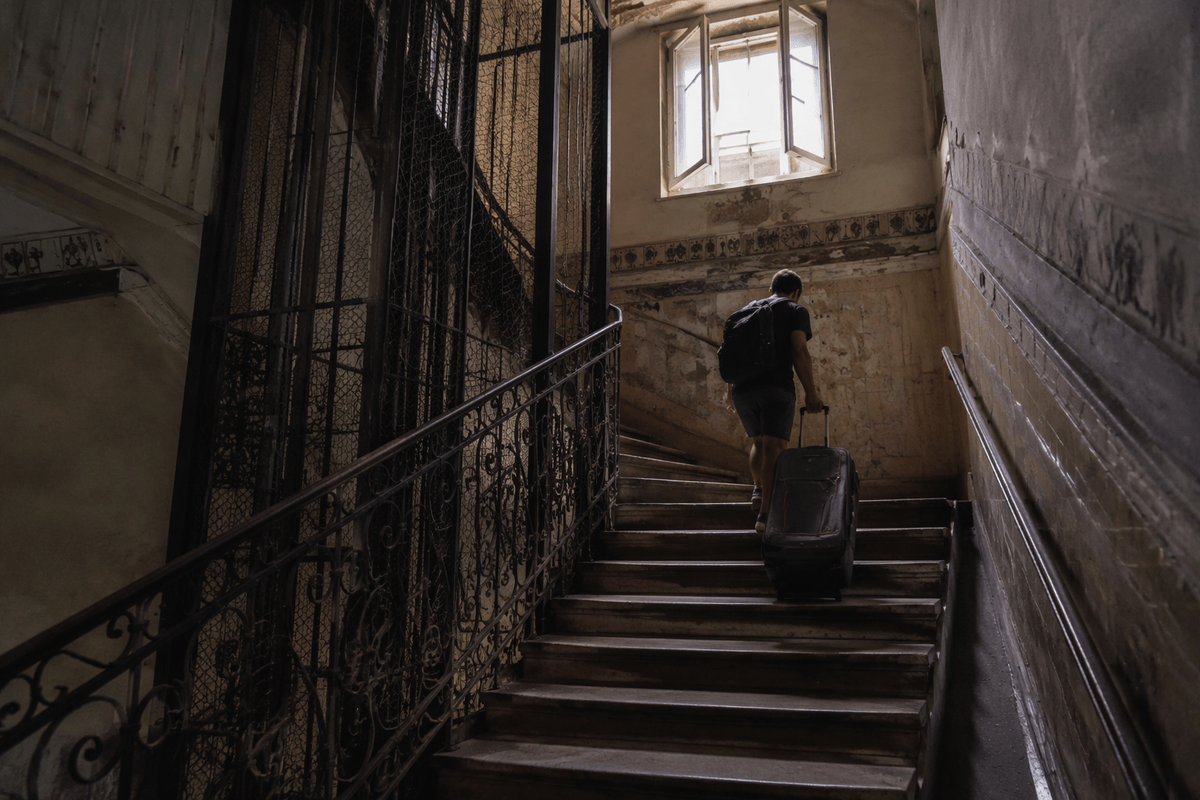
Aparthotels and basic serviced studios sit in the middle: more room and a kitchenette without the full “key pickup, mystery staircase” experience of a random apartment. They’re ideal in District VIII or IX when you’re close to reliable tram/metro lines—just watch for older buildings with elevators that are either tiny or absent, because hauling luggage up three flights stops feeling “budget-friendly” fast.
Mid-range picks: boutique hotels, serviced apartments
I hit the mid-range category when I want Budapest to feel easy without paying for riverfront bragging rights: a boutique hotel when I’m prioritizing sleep and logistics, a serviced apartment when I’m prioritizing space and routine. The friction point is that “mid-range” in a great location can still land you on a loud street, so I stop filtering by star rating and start filtering by what’s outside the front door after 11 p.m.
Boutique hotels in District V or the calmer edges of VI tend to work best for a short, sight-heavy trip: you can walk a lot, drop bags with a real reception, and you’re not solving check-in puzzles after a flight. The trade-off is room size and sometimes a “design-forward” setup that looks good but skimps on storage. In VII, the same price can buy a more stylish place, but only if you’re disciplined about staying off the party lanes—otherwise you’ve paid extra to sleep lighter.
Serviced apartments shine in VIII or IX when you’re close to the Grand Boulevard or a metro stop: you get a kitchen for predictable meal costs and enough space to not live out of a suitcase. Two units in the same building can feel totally different—so I’d only book when recent reviews mention soundproofing, elevator status, and how keys are handled.
Splurge options: riverside, spa hotels, design stays
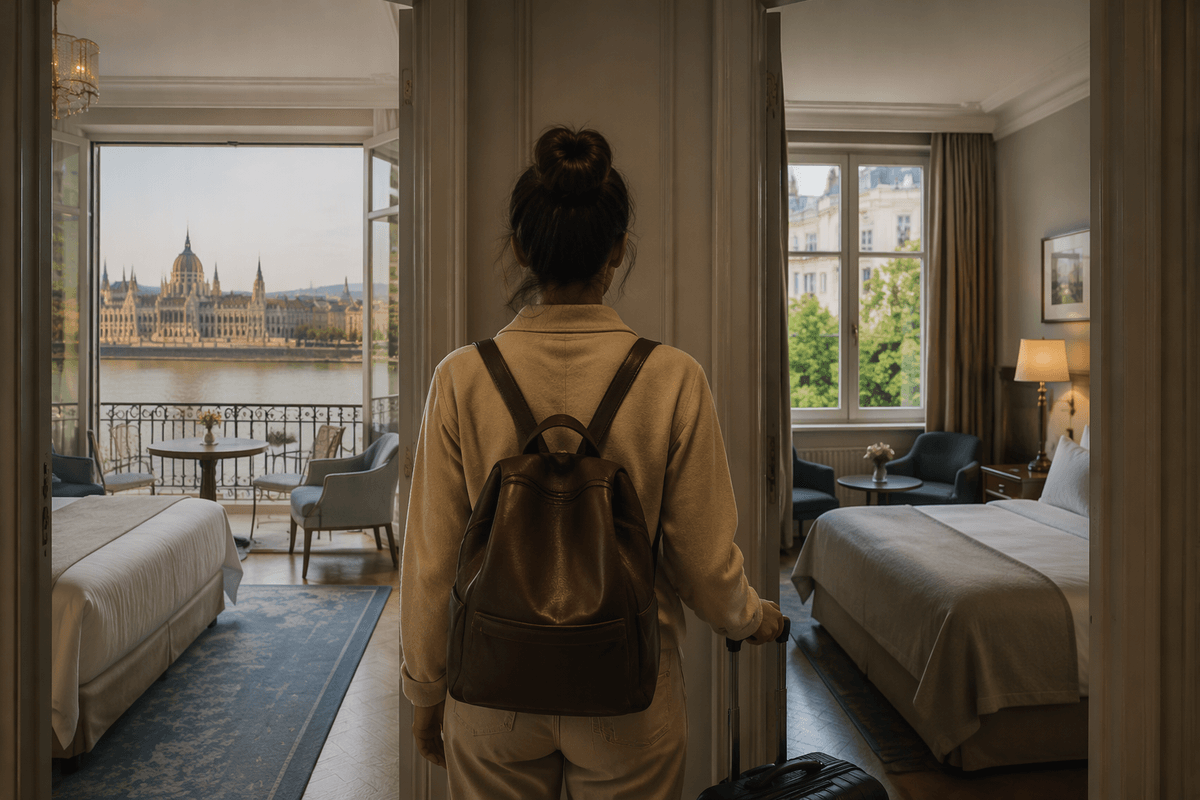
The first splurge decision I actually notice in Budapest is whether I’m paying for the view or the recovery. Riverside hotels along the Danube (especially around District V and the bridges) make the city feel effortless—short walks to big sights, easy taxi rides back—but the trade-off is that “riverfront” often means traffic noise and premium pricing for a room you may only see in daylight.
Spa hotels are the predictable-comfort upgrade when your itinerary is packed: you can turn a cold evening or tired legs into a plan instead of a problem. If you’re out all day, you may not use the facilities enough to justify the jump, and some properties feel more like a complex than a neighborhood base, so dinners and late wandering can become a deliberate commute.
Design-forward stays are where Budapest can quietly get tricky: you’ll pay for atmosphere, but not always for practicality. I’ve seen beautiful rooms with minimal storage, moody lighting that’s bad for packing, and “historic” buildings where sound carries. If you’re splurging, I’d spend it on quiet (rear-facing rooms, solid windows) and logistics (24-hour desk, reliable elevator) before you spend it on a photogenic lobby.
Booking checklist and trade-offs before you commit
The last time I nearly booked “the deal,” I stopped at the map and asked one boring question: what will this feel like at 12:30 a.m. with luggage? Before you commit, sanity-check the exact street (not just the district), then look for recent mentions of noise, air conditioning, and whether windows actually seal. If it’s an older building, confirm elevator access—Budapest’s “no lift” surprise is real—and whether check-in is 24/7 or a key-handover puzzle.
Then pick your trade-off on purpose: central and walkable usually means smaller rooms or more nightlife spillover; quieter edges mean more transit dependence and fewer late-night food options. Apartments buy space and a kitchen, but add variability (stairs, hot water, Wi‑Fi) and less help when something breaks. My practical takeaway: pay a little more for a calmer street near a metro/tram line—it’s the cheapest upgrade to predictable sleep.