Why Iron Intake Does Not Tell Whole Story
A food label may show a respectable amount of iron, yet that number does not reveal how much the body can actually use. A bowl of lentils, fortified cereal, or leafy greens can contribute to daily intake, but absorption varies with the form of iron, what is eaten alongside it, and even how regularly meals occur. One iron-containing meal may therefore look reassuring while the broader pattern remains less supportive.
This can be easy to miss when low energy or other recurring concerns are blamed on a particularly busy week or a single “healthy” meal. Needs may also rise during certain life stages, while ongoing losses or inconsistent eating quietly widen the gap. The practical question is not simply whether iron appears on the plate, but whether meals repeatedly provide usable sources under conditions that allow absorption. That distinction becomes especially important when most iron comes from plant foods.
Heme and Nonheme Sources Work Differently
A plant-based meal can contain iron without behaving like a meal built around meat, poultry, or seafood. The difference is the form: heme iron, found in animal foods, is generally absorbed more readily, while nonheme iron from beans, lentils, tofu, grains, nuts, seeds, and vegetables is more affected by the rest of the meal. This does not make nonheme sources unhelpful, but it makes the surrounding pattern more important.
For example, lentils paired with tomatoes, peppers, citrus, or another vitamin C–rich food may offer more favorable conditions for absorbing nonheme iron. The same meal may be less supportive if tea or coffee is taken with it, or if calcium-rich foods and supplements compete for attention at the same time. These effects are not always dramatic or predictable from one sitting, and meal timing is often irregular in real life. Relying mainly on nonheme sources can work, but it may require more consistency than simply noticing that an iron-containing food appeared on the plate.
Pairings That Help the Body Absorb More
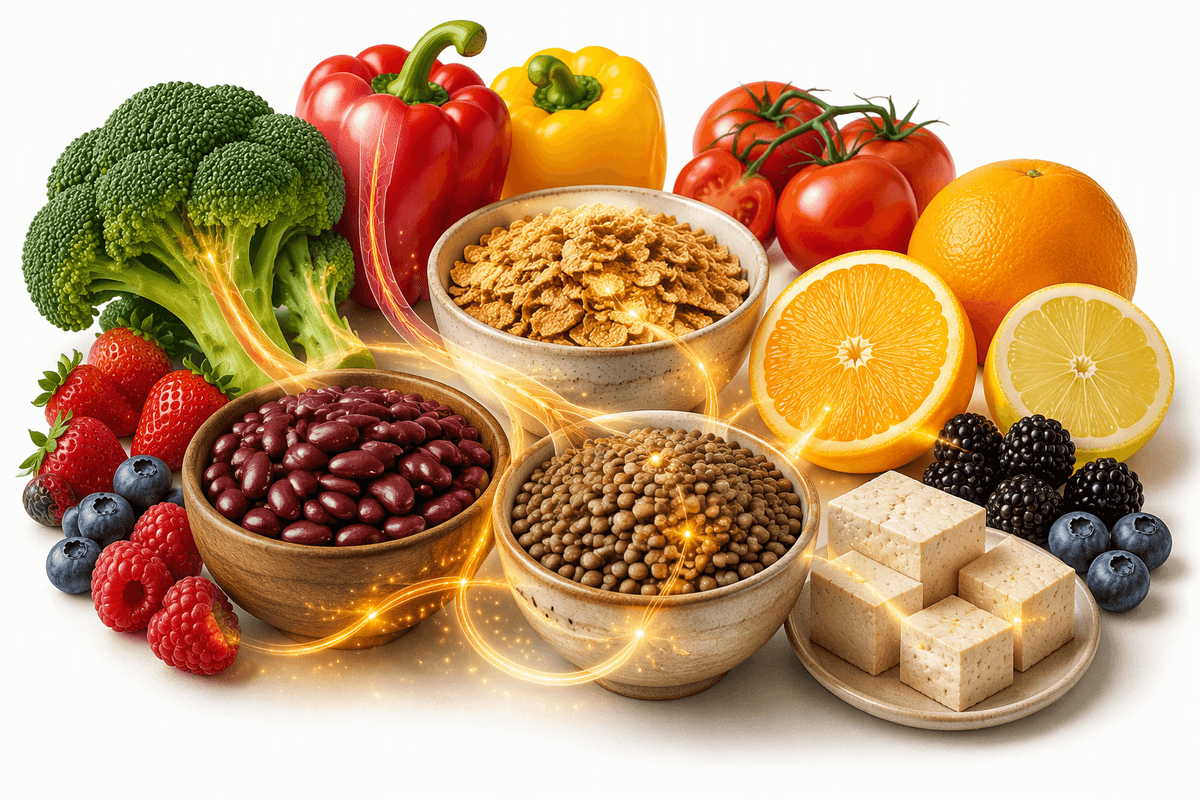
The difference may show up in a familiar meal: beans or tofu are present, but the plate feels incomplete until something bright is added. Tomatoes, bell peppers, broccoli, berries, citrus, and other vitamin C–rich foods can make nonheme iron easier for the body to absorb. A squeeze of lemon over lentils or fruit alongside fortified cereal is not a cure-all, but it can improve the conditions around that meal.
The effect is also shaped by what arrives nearby. Tea and coffee may be less helpful when taken with an iron-focused meal, while calcium-rich foods or supplements can add another competing factor. That does not mean these foods need to be avoided; separating them may be more realistic than trying to create a perfect plate every time. The challenge is that schedules, appetite, and convenience rarely cooperate consistently. Looking across several meals often gives a clearer picture than judging one pairing, especially when iron-rich foods appear only occasionally or are repeatedly followed by drinks that may reduce absorption.
Healthy Habits That Can Quietly Interfere
The morning routine can look healthy and still complicate the picture. Coffee with breakfast, a calcium supplement after eating, or tea during an afternoon meal may become so familiar that their timing goes unnoticed. None of these habits automatically creates a problem, and their effect can vary with the meal and the person. The concern is more practical: when most iron comes from plant foods, several small interruptions may repeatedly occur around the meals carrying the greatest share of intake.
Someone who skips lunch, eats a small dinner, and takes supplements whenever they remember may technically consume iron across the day without creating many consistent opportunities for absorption. A busy schedule can also lead to iron-containing foods being paired with coffee, dairy, or calcium-fortified drinks simply because those choices are convenient. Rather than treating these foods as unhealthy, it may be more useful to notice whether they regularly coincide with iron-focused meals. The pattern matters more than one cup of coffee or one calcium-rich snack.
Why Deficiency Can Persist Despite Better Eating
After making a clear effort to eat better, it can be frustrating when energy still feels low or concerns about iron keep returning. The explanation may not be a single missed food, but a gradual mismatch between intake and need. Meals may contain beans, tofu, fortified grains, or leafy greens, yet portions can be small, schedules inconsistent, or the same foods repeated less often than expected. During periods of increased need or ongoing blood loss, that pattern may not fully replace what the body is using.
Absorption can also remain limited even when the menu looks improved. Plant-based iron is more sensitive to tea, coffee, calcium, and the overall meal combination, while irregular eating can reduce the number of reliable opportunities for absorption. This makes progress difficult to judge by appearance alone: a “healthy” day may still provide little usable iron, and one strong meal may not offset a week of uneven intake. If the pattern continues, recurring symptoms or suspected deficiency are better discussed with a healthcare professional than explained solely through diet, since food choices are only one part of the picture.
Supplement Timing Creates Its Own Tradeoffs
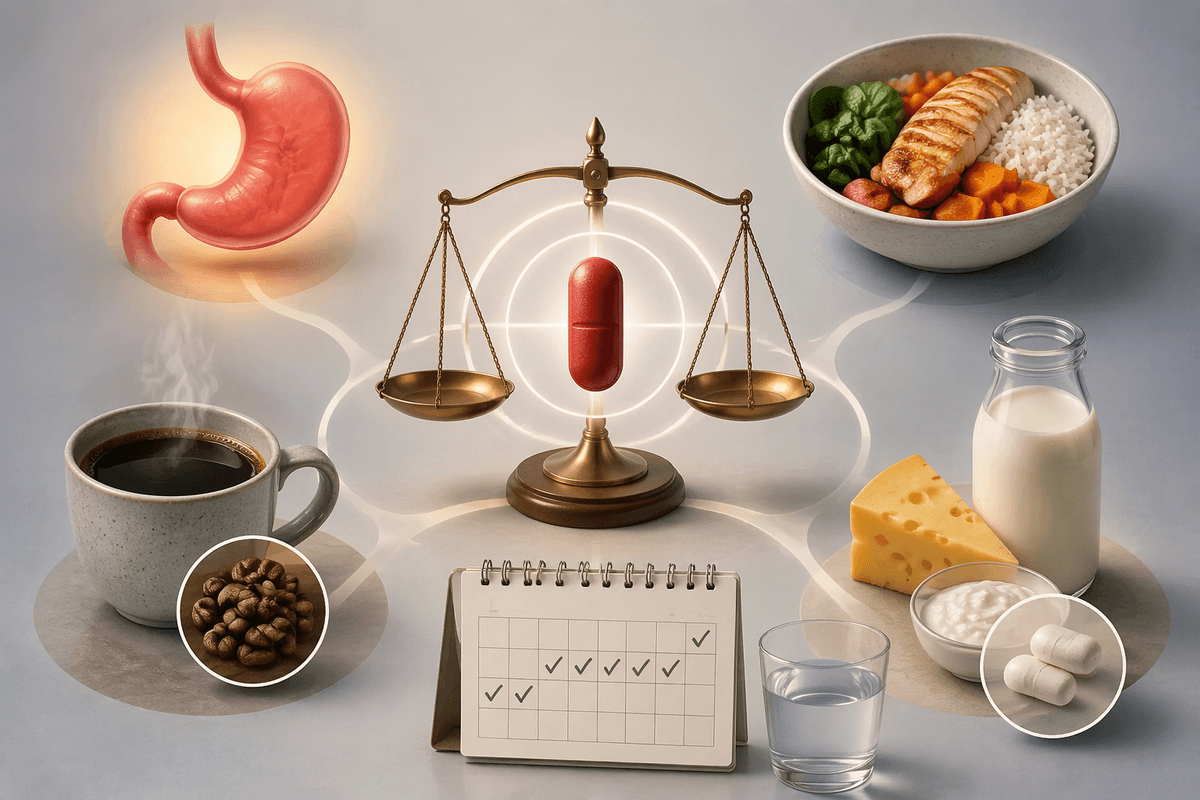
The bottle may sit beside the breakfast bowl, ready to be taken, yet the “right” moment is rarely as simple as remembering it. Iron supplements can be harder to tolerate on an empty stomach, causing nausea, cramping, or constipation, while taking them with food may be easier but can reduce absorption depending on the meal. Coffee, tea, calcium-rich foods, and calcium supplements may add another timing concern, especially when the supplement is taken alongside breakfast or dinner.
This creates a practical tradeoff between ideal absorption and a routine someone can actually maintain. Taking iron at a separate time may help avoid competing foods and drinks, but a complicated schedule can lead to missed doses or inconsistent use. Some people therefore take it with a small snack, while others adjust the timing after discussing side effects and the specific product with a healthcare professional. The supplements are not automatically effective simply because they contain iron; timing, tolerance, dose, and regular use all influence what happens in practice.
Making Sense of Conflicting Iron Advice
One recommendation may say to take iron away from meals, while another emphasizes taking it with food to reduce nausea. Both can make sense, depending on the supplement, the meal, and how consistently it can be tolerated. Similar confusion surrounds coffee, tea, calcium, and vitamin C: these factors matter, but they do not turn one breakfast into a complete explanation for low iron.
A more useful approach is to look for recurring patterns. Are iron-rich foods present regularly? Are most sources nonheme? Do tea, coffee, or calcium repeatedly appear around those meals? Are supplements missed because the schedule is too uncomfortable or complicated? These questions cannot replace appropriate testing or professional guidance, particularly when symptoms persist. They can, however, shift attention away from isolated rules and toward the everyday pattern that gradually shapes iron status.