Why Limb Salvage Is Being Reframed Around Function
The first reassuring moment may come when a doctor says the foot or leg can be saved. Yet that answer does not always settle the harder questions: Will walking still feel steady? Can you stand long enough to cook, work, or shower? Will pain, weakness, numbness, or repeated wound care continue to shape ordinary days?
This is why limb-salvage research is increasingly being viewed through function, not only preservation. Keeping the limb can be an important outcome, but it may not reflect how comfortably or independently a person moves afterward. Diabetes-related nerve changes can reduce sensation, circulation problems may slow recovery, and periods of limited activity can weaken balance and strength. These factors may overlap, even when the wound appears to be improving. In some situations, healing on the surface is only one part of recovery. Researchers are therefore paying closer attention to walking ability, daily activities, physical confidence, and the effort required to remain mobile—areas that can reveal limitations a successful limb-salvage procedure alone may miss.
Preserving Tissue Does Not Guarantee Useful Mobility
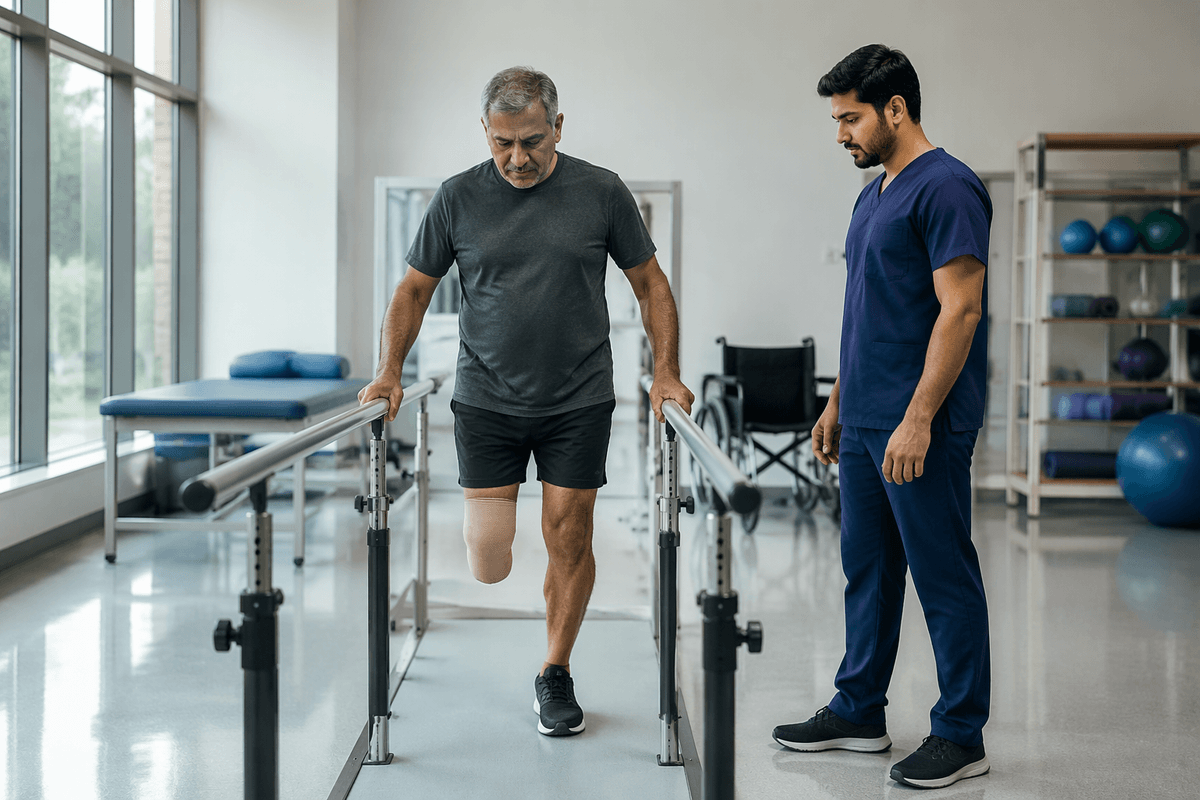
A person may leave treatment with the limb intact yet find that ordinary movement has changed. A few steps can feel cautious when sensation is reduced, the foot is painful, or the leg has lost strength during weeks of rest. Even when the wound is closing, uneven weight-bearing may continue. One side may be protected while the other carries more of the body’s load, making walking tiring and increasing the effort needed for stairs, shopping, or getting around the home.
This difference can be easy to miss in research that records whether tissue was preserved or whether a wound eventually closed. Those measures matter, but they do not show how far someone can walk, how safely they move, or whether daily activities require help. Mobility may also vary from one day to the next, depending on swelling, discomfort, footwear, fatigue, or the need to avoid pressure on a healing area. In that sense, limb salvage can be an important step without being the final measure of useful recovery.
The Hidden Cost Of Protecting A Healing Limb
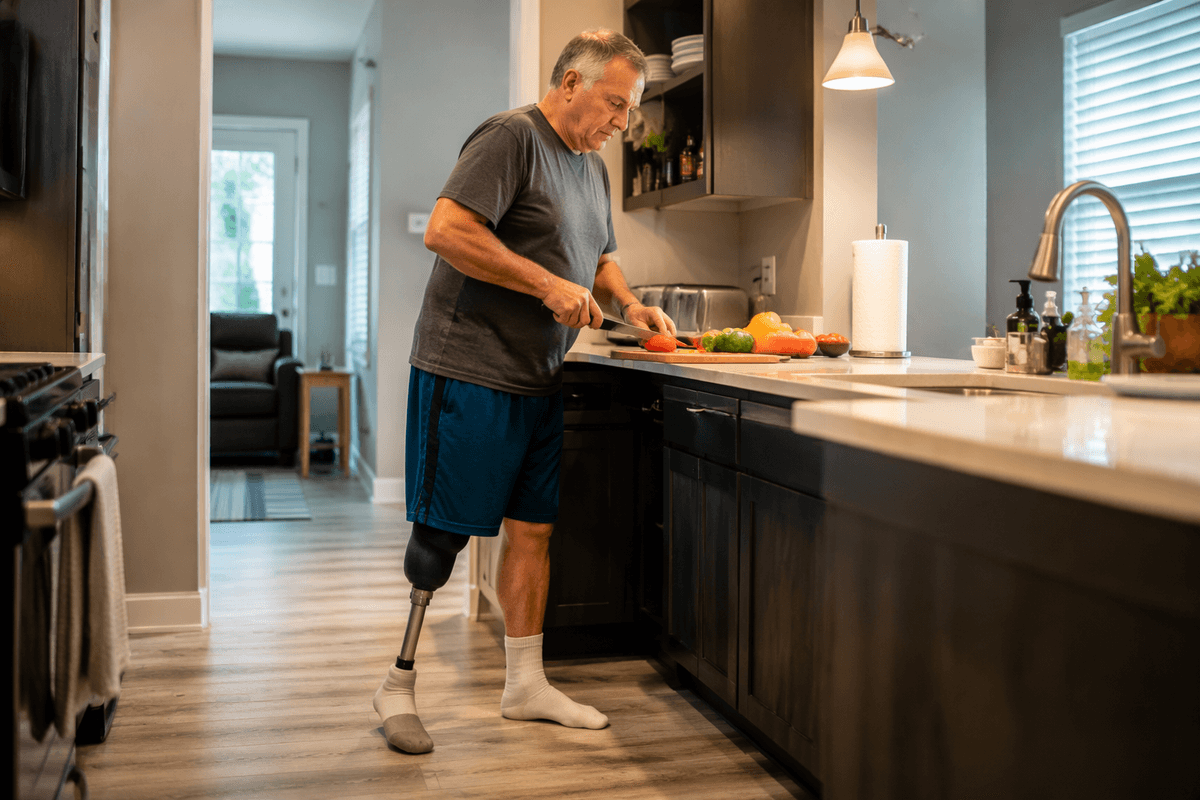
The careful way of walking can gradually become its own burden. A person may avoid putting full weight on a healing foot, shorten each step, or rely on a cane, walker, or another person for support. These adjustments can protect vulnerable tissue, but they may also make simple routines slower and more tiring. Standing at the kitchen counter, moving through a grocery store, or getting in and out of a chair may require planning that was not needed before.
Reduced activity can add another layer of difficulty. Muscles may lose strength, balance may feel less reliable, and confidence can fade after a slip or a painful step. At the same time, protecting one area may shift pressure toward the opposite foot, knee, hip, or lower back. The result is not always obvious during a wound check, especially when the main question is whether healing is progressing. Recovery may therefore involve a trade-off: limiting movement can support healing in the short term, while prolonged restriction may make comfortable independence harder to regain.
What Shapes Recovery Beyond The Wound Itself
A wound can look better while other parts of recovery remain unsettled. Nerve changes may make pressure or irritation harder to notice, so a person may not realize that a new walking pattern is placing stress on another area. Reduced circulation can affect how quickly tissues respond, while swelling, pain, or repeated procedures may interrupt progress. These influences do not occur separately. A person who is protecting the foot may move less, lose strength, and then feel less steady when activity resumes.
Daily support also shapes what recovery looks like. Safe footwear, assistive devices, home layout, transportation, and help with dressing or wound care can determine how much someone is able to move, even when the limb itself has been preserved. Emotional strain and uncertainty may matter as well; fear of reopening a wound can make every step feel like a risk. Because these factors can change from week to week, a single clinic observation may not capture ordinary mobility. Recovery is better understood as an interaction between healing tissue, physical capacity, confidence, and the demands of daily life.
Research Measures Are Expanding Past Amputation Rates
At first glance, a study may seem to answer the main question by reporting how many people avoided amputation. That number is important, but it can leave out what happened after the immediate threat had passed. Someone may retain the limb yet walk only short distances, depend on a device, or need regular help with daily tasks. Another person may move more freely but struggle with pain, fatigue, or fear of putting pressure on the foot.
For this reason, newer research may include walking tests, balance, strength, activity levels, and reports from patients about how easily they manage ordinary routines. Measures such as getting up from a chair, walking a set distance, or completing personal care can show practical changes that wound closure alone does not reveal. These findings still have limits: performance in a clinic may not match movement at home, and results can vary with footwear, assistance, discomfort, or the day’s energy. Even so, adding functional measures helps show whether limb salvage is supporting a return to useful, independent movement.
Mobility Outcomes Remain Difficult To Interpret
Walking scores may look encouraging without reflecting how someone manages everyday movement. One person might complete a short clinic test with a brace or walker, or through considerable effort, yet still struggle to move around the house. Another may walk farther but remain limited by numbness, pain, fatigue, or fear of putting pressure on the healing area. Previous mobility also matters: a small improvement may be significant for someone with limited movement but less meaningful for someone who was already more active.
The timing of an assessment adds another layer of uncertainty. Early results may reflect temporary movement restrictions, while later tests may miss setbacks from swelling, new wounds, or reduced activity. Patient reports help reveal difficulties that timed walks overlook, although confidence, expectations, and home support also influence those accounts. No single test captures every aspect of recovery. Assessing mobility across different settings and stages of healing, including during ordinary daily activities, provides a more realistic picture of progress.
A More Complete Definition Of Limb Salvage
The question may shift from “Was the limb saved?” to “What can this person do with it now?” A more complete definition of limb salvage includes wound healing and tissue preservation, but also the ability to stand, walk, manage personal care, and take part in ordinary routines with a reasonable level of safety and comfort. It recognizes that independence may look different from one person to another, depending on previous mobility, home support, work demands, and the lasting effects of nerve or circulation problems.
This broader view does not make limb retention less important. It places that achievement within the recovery that follows. Research may be most useful when it connects clinical results with walking distance, balance, activity, discomfort, confidence, and the help a person still needs. Those measures can remain imperfect, especially when progress is uneven or daily conditions change. Still, they help reveal whether treatment is restoring practical movement—not simply preserving a limb, but supporting a life that can be lived with it.