The eyes are among the most sensitive and vital organs in the human body, allowing individuals to perceive and interact with the world around them. Nature has equipped them with several defense mechanisms—eyelashes to catch debris, eyelids to shield from harm, and tears to wash away irritants. These natural protections work efficiently most of the time, but they are not infallible.
Small bits of dust, chemicals splashed around by mistake, or even allergens in the air can get through these defenses and touch the eye's delicate surface. That's when good eye flushing is often the fastest and best way to get rid of the irritant and stop it from doing more damage. The process must be done properly, though; if it's not, it can make the problem worse instead of better.
This guide explains why eye flushing is important, outlines safe and effective techniques, and highlights when professional medical help is necessary.
Why Eye Flushing Is Necessary?
Eye flushing serves several purposes depending on the situation. The most common reasons include:
- Removing foreign particles: Dust, dirt, pollen, or small insects can easily get into the eye and hurt you or even scratch the lens if you don't do anything about it.
- Diluting chemical exposure: Substances such as cleaning agents, bleach, or other household and industrial chemicals can cause severe injury if not promptly washed out.
- Relieving allergy symptoms: Allergens in the air can cause itching, watering, and redness. Flushing helps remove allergens and reduce irritation.
- Moisturizing dry eyes: Prolonged exposure to air conditioning, heating systems, or windy environments can dry out the eyes, and rinsing with clean water or sterile saline can restore comfort.
In each of these cases, flushing helps restore the natural balance of the eye’s surface, reduces irritation, and prevents complications.
Preparing to Flush the Eye
Before beginning the flushing process, preparation is key to ensuring safety and effectiveness.
1. Ensure Clean Hands
Touching the eye area with unwashed hands risks introducing additional irritants or harmful bacteria. Proper hand washing with soap and warm water should always be the first step.
2. Remove Contact Lenses
Contact lenses can trap particles or chemicals against the cornea, prolonging exposure and increasing damage risk. They should be removed carefully before flushing begins.
3. Identify the Irritant Type
The method and urgency of flushing will depend on the substance involved. While dust or pollen may only require a brief rinse, chemical exposure demands immediate and extended flushing to minimize harm.
Step-by-Step Eye Flushing Techniques
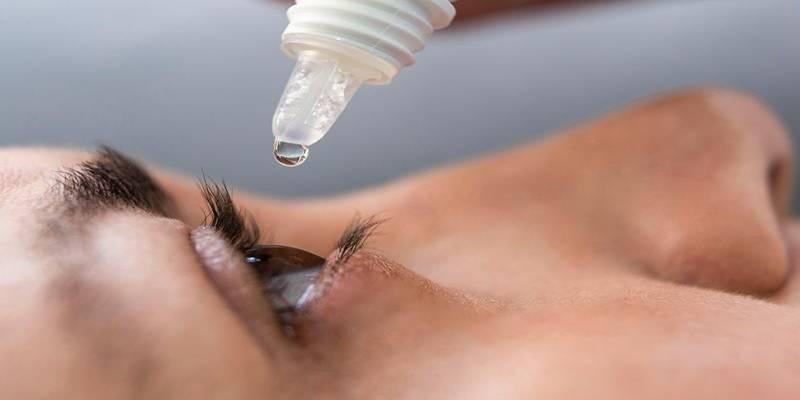
These safe and practical methods help remove irritants effectively while minimizing the risk of further eye injury.
1. Using a Sink Faucet
Standing over a sink, the person should tilt their head so the affected eye is lower than the other. This positioning prevents the irritant from flowing into the healthy eye. A gentle stream of lukewarm water should be directed from the inner corner of the eye outward, ensuring contaminants are carried away.
2. Flushing in the Shower
A shower offers an effective hands-free approach. By adjusting the water to a mild temperature and low pressure, the stream can be allowed to run across the forehead and into the affected eye. Keeping the eyes open under the water for several minutes helps dislodge particles naturally.
3. Pouring from a Cup or Glass
If no running water is available, a clean cup or glass can be filled with lukewarm water. The individual should tilt their head to one side and slowly pour the water into the eye, allowing it to wash away debris.
4. Immersion in a Bowl
For stubborn particles, submerging the face in a clean bowl of water while blinking repeatedly can help loosen and remove them. This method allows the water to reach every surface of the eye.
Duration of Flushing
For most irritants, a rinse of several minutes is sufficient. In cases of chemical exposure, the eye should be flushed continuously for at least 15 minutes before seeking medical attention.
What to Avoid When Flushing the Eye?
- Do Not Rub the Eye: Rubbing can push particles deeper into the cornea, creating scratches or worsening existing injuries.
- Avoid Strong Water Pressure: High-pressure streams can damage delicate eye tissue and force debris further in.
- Do Not Use Contaminated Water: Only clean tap water or sterile saline should be used to prevent introducing harmful microorganisms.
- Never Remove Embedded Objects Yourself: Sharp or large objects lodged in the eye should be left in place and stabilized until professional care is available.
Recognizing When to Seek Medical Help

While many minor cases can be managed at home, certain symptoms signal the need for immediate medical attention. If pain, redness, or swelling persists after flushing or if there is any change in vision, such as blurriness, double vision, or partial loss of sight, urgent care should be sought. Light sensitivity that appears after the incident, continuous discomfort despite thorough rinsing, or any form of chemical exposure—regardless of how mild it seems—also requires professional evaluation.
In situations where a foreign object is embedded in the eye, attempting to remove it at home can cause severe damage. Instead, an eye care professional should examine the injury, remove any remaining particles, and treat potential complications such as corneal abrasions or infections.
Conclusion
Safe eye flushing is a simple yet vital skill that can make the difference between quick recovery and long-term vision problems. By understanding the correct techniques, avoiding harmful practices, and recognizing when professional help is needed, individuals can respond effectively to a wide range of eye irritants.
The eyes are irreplaceable, and protecting them should always be a priority. Whether facing an everyday nuisance like dust or a serious hazard like chemical exposure, knowing how to flush the eye safely is a crucial step in preserving one of the body’s most precious senses.