Choosing beach beauty without losing local soul
The first snag in planning a winter beach week isn’t picking “the prettiest” island—it’s realizing the most photogenic shoreline can come bundled with a resort bubble you barely leave. I’ve had trips where the water was perfect and the days still felt oddly generic: same menus, same music, same taxi loop, just with different palm trees.
So I start by separating beach mechanics from local texture. Do you need calm, swimmable water every day, or are you okay with a couple windy, choppy afternoons if the town life is better? A place can deliver both, but usually not without trade-offs: higher prices near the best sand, longer drives for local meals, or extra effort to find the neighborhoods where the island actually speaks for itself.
Quick filter: vibe, language, cost, ease
When I’m stuck in the “everything looks turquoise” phase, I run a quick filter that’s less romantic but way more honest: vibe, language, cost, ease. Vibe is the tell—if the island’s best energy is in a walkable town, roadside grills, and a beach you can reach without a wristband, you’ll feel it fast. If it’s mostly gated entrances and shuttle schedules, that’s not “bad,” just a different trip.
Language matters because it changes how quickly you can eat and move locally without defaulting to hotel concierge life. Cost is the quiet deal-breaker: islands with nonstop flights and famous sands tend to price you into beachfront convenience. Ease is the trade-off knob—direct flights and simple taxis save time, but sometimes the extra connection buys you a more lived-in island rhythm.
Laid-back, community-first islands
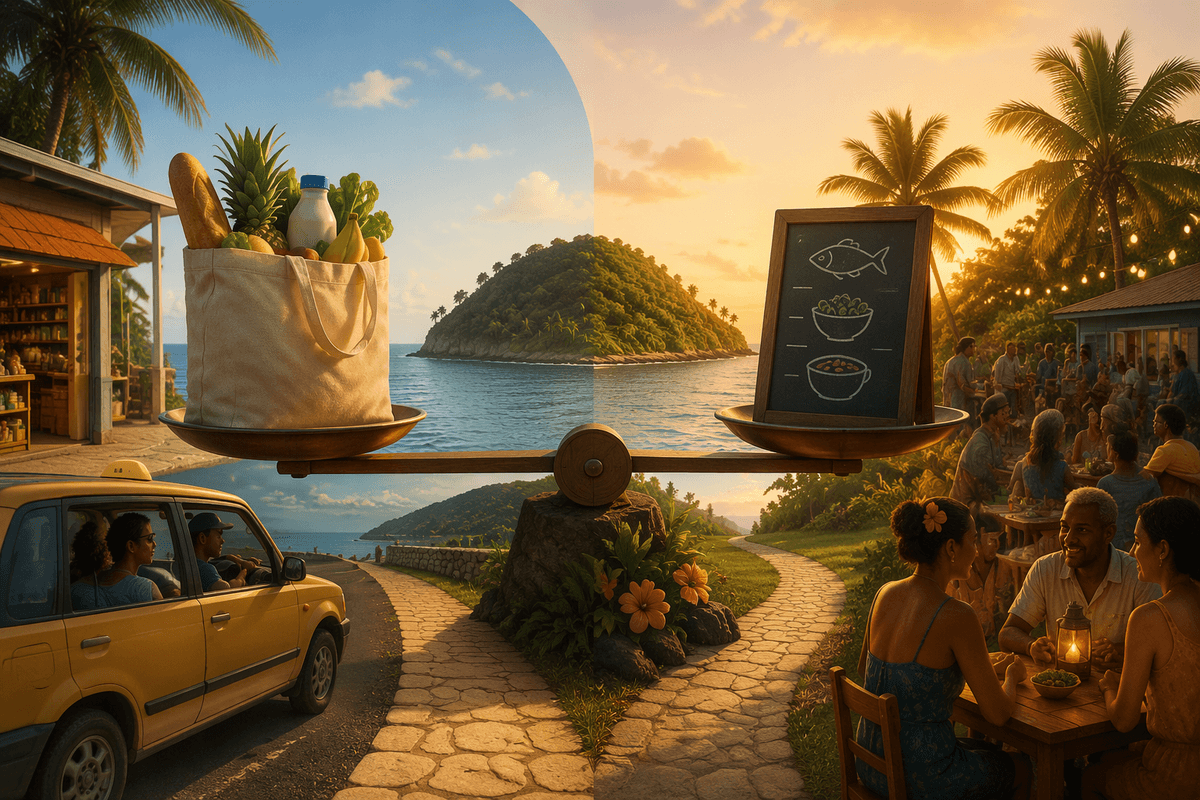
The first time I realize an island is “community-first” is usually at dinner, not on the beach: you’re choosing between a chalkboard menu and whatever the resort is serving at 8 p.m.—and the chalkboard wins, even if you’re eating earlier than you planned.
For this lane, I look at places like Vieques or Culebra (easy add-ons if you’re already routing through Puerto Rico), Bequia (small, friendly, and pleasantly unpolished), or Dominica if you’re okay trading some classic sand-for-days for an island that feels lived-in. The beaches here tend to be swimmable, but the bigger payoff is that you can actually build a week around towns: bakeries, rum shops, little music nights, and casual conversations that aren’t happening behind a lobby desk.
Grocery runs take time, dinners start when they start, and a “quick” beach hop can turn into a slow taxi day if you don’t plan your base carefully. But if you want winter sun without the wristband vibe, this is where it usually clicks.
Culture-forward islands with standout shorelines
The “culture-forward” tell usually shows up when you try to plan a beach day around a town, not the other way around—market in the morning, swim after lunch, live music later. It works best on islands where the good sand isn’t locked behind resort gates, but you still have a real dining and street-life scene within a short taxi or bus hop.
Martinique is the cleanest example: you can do serious beach time (calmer coves on the Caribbean side) and still have evenings that feel unmistakably French-Caribbean—bakeries, rum, and towns that stay active after sunset. If you don’t speak some French, it’s easy to retreat into the most tourist-friendly pockets.
Curaçao is another strong contender if you like your culture served with colorful, walkable city energy (Willemstad) and reliably swimmable water in sheltered coves. What doesn’t work as well is spontaneity: the best beaches are spread out, and without a car you’ll spend real time stitching together taxis and beach clubs.
Wild-nature islands with fewer crowds
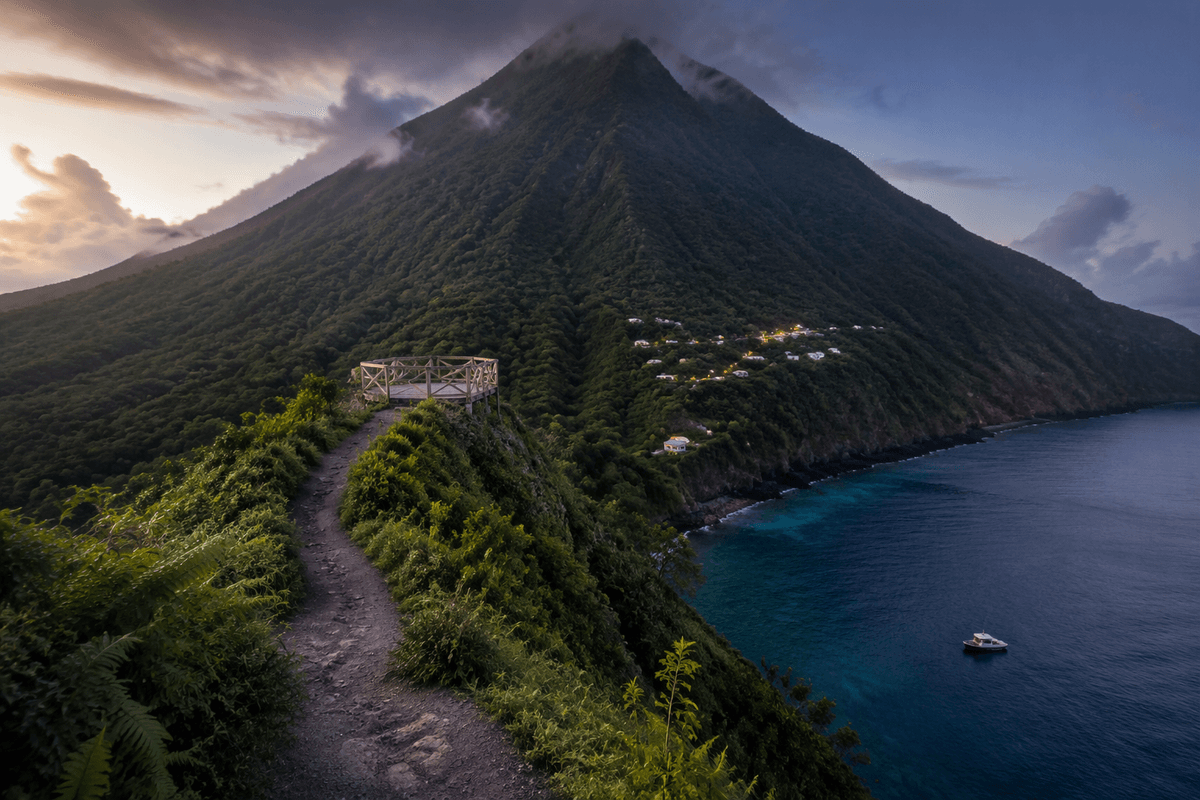
The “wild-nature” choice usually happens when you’re staring at flight options and realize the quieter islands cost you time, not just money. The payoff is real: fewer chairs in the sand, more empty trailheads, and beaches that feel like places people still use—not products they’re selling.
Consider Tobago if you want a credible local scene (food, small bars, everyday life) plus pockets of coastline that don’t feel scheduled. What works well is the balance: you can swim on calmer days and still build your evenings around towns. What doesn’t: winter trades can rough up the water, and you’ll have days where “pretty” becomes “windy.”
If you’re willing to trade classic beach variety for nature density, Saba (or the greener side of Guadeloupe, Basse-Terre) leans hard into hiking, diving, and low-key evenings. The constraint is logistics: fewer direct flights, fewer taxis on demand, and a higher penalty for picking the wrong base—because moving around eats daylight fast.
How to choose your best-fit island
The decision usually gets real when you’re comparing two flight itineraries at midnight: one is a clean nonstop to a place you’re not sure you’ll ever leave the beach club zone, the other adds a connection but drops you into an island where dinner might be a roadside grill and a plastic chair. I pick by naming my non-negotiable first—“swimmable most days” or “town life every night”—because trying to optimize for both is how you end up paying peak prices and still feeling slightly boxed in.
Then I choose the friction I can live with. If you hate planning, prioritize direct flights and an island where beaches cluster near where you’ll sleep (even if it’s a bit more resort-adjacent). If you don’t mind effort, rent a car where it actually saves time (Curaçao), or pick a smaller island where staying in the right town matters more than the fanciest sand. The practical takeaway: match your beach physics, your evening rhythm, and your tolerance for logistics—your “best” island is the one you’ll actually use, not just photograph.